
- Performance Marketing
Turn Paid Media Into Revenue Growth
Scale Meta Ads, Google Ads and LinkedIn Ads by connecting media spend with CAC, ROAS, conversion rate, attribution, customer quality and revenue.
See the full picture from ad spend to customer acquisition to business growth.
- PAID CHANNELS
Different channels. One revenue system.
Meta, Google, and LinkedIn play different roles in the customer journey. I use each channelbased on intent, audience, funnel stage, and revenue potential not because every brand needs to be everywhere.
- 01
Meta Ads
Focus: Creative testing, CAC, ROAS, conversion rate, and revenue.
- 02
Google Ads
Focus: Search intent, CPA, conversion rate, lead quality, ROAS, and revenue.
- 03
LinkedIn Ads
Reach specific B2B buyers by job title, company, industry, seniority, and professional profile.
Focus: Qualified leads, pipeline, cost per qualified lead, customer quality, and revenue potential.
- THE SYSTEM
Paid media only scales when the full revenue system works.
Campaign performance depends on more than targeting, bidding, and creative. Tracking, funnel conversion, attribution, customer economics, and revenue data all affect whether paid media can scale profitably.
Know what is actually converting.
Build clean, reliable performance data across the full customer journey.
- GA4
- GTM
- Pixels
- Conversion APIs
- Server-side tracking
- Offline conversions
- Event quality
- Attribution
Know whether growth makes financial sense.
Connect media performance with what happens after the click to see where revenue is gained, lost, or limited.
- CVR
- CAC
- ROAS
- AOV
- LTV:CAC
- Contribution margin
- Lead quality
- Funnel drop-offs
Know where the next dollar should go.
Turn campaign, funnel, and revenue data into clear investment decisions.
- Attribution
- Incrementality
- Cohort performance
- Revenue contribution
- Budget efficiency
- Scale / Fix / Stop decisions
From tracking to economics to revenue, every layer should support one thing: better growth decisions.
From Ad Spend to Revenue.
Built to Scale.
A structured process that connects strategy, execution, measurement, and unit economics so every budget decision is backed by data and tied to revenue.
Audit & Diagnose
Review channel performance, tracking, funnel data, CAC, ROAS, conversion rate, and revenue to find where growth is being limited.
Build & Launch
Set the channel mix, campaign structure, audience strategy, creative testing plan, bidding approach, and revenue-linked measurement framework.
Test & Optimize
Run structured experiments across audiences, creatives, offers, bids, and landing pages to improve CVR, reduce CAC, and increase revenue efficiency.
Scale & Reallocate
Move budget toward campaigns with stronger marginal returns, customer quality, contribution margin, and revenue impact. Reduce or stop spend where the economics no longer support growth.
Measure. Test. Reallocate. Scale.
No blind scaling. No vanity optimization.
Every decision is tied to data, unit economics, customer quality, and revenue contribution.
- Client Reviews
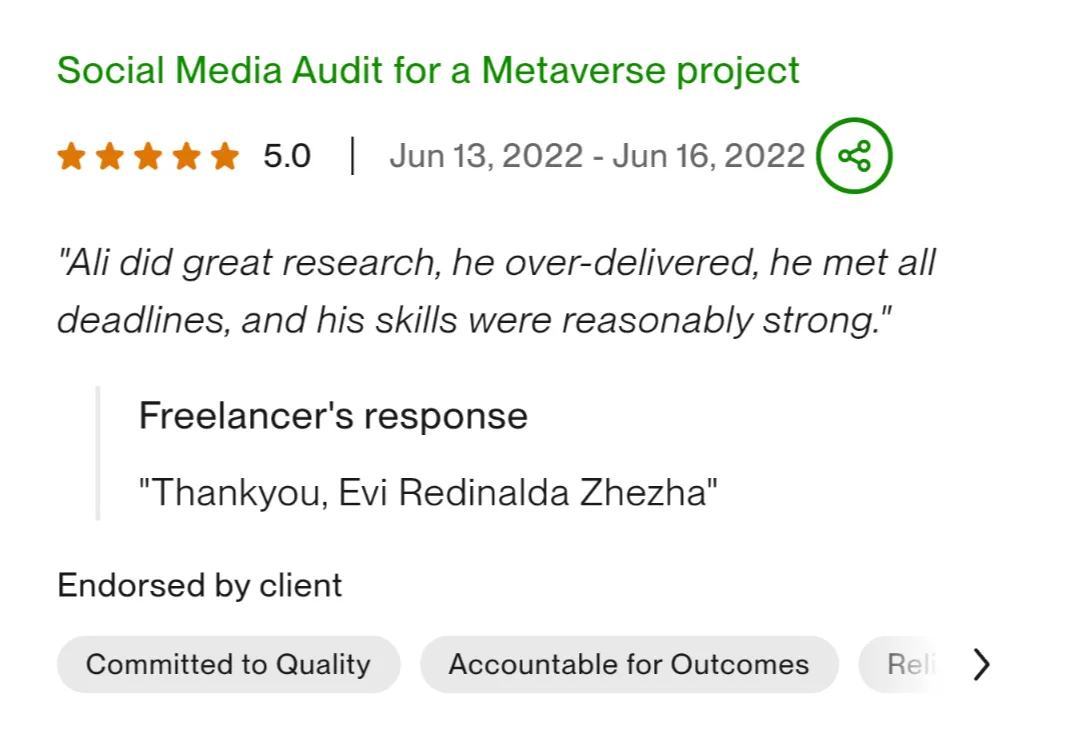
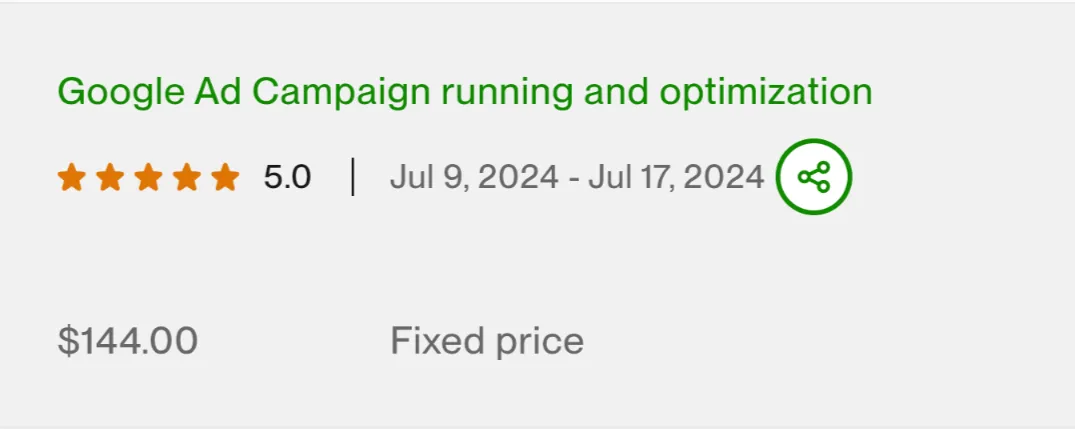
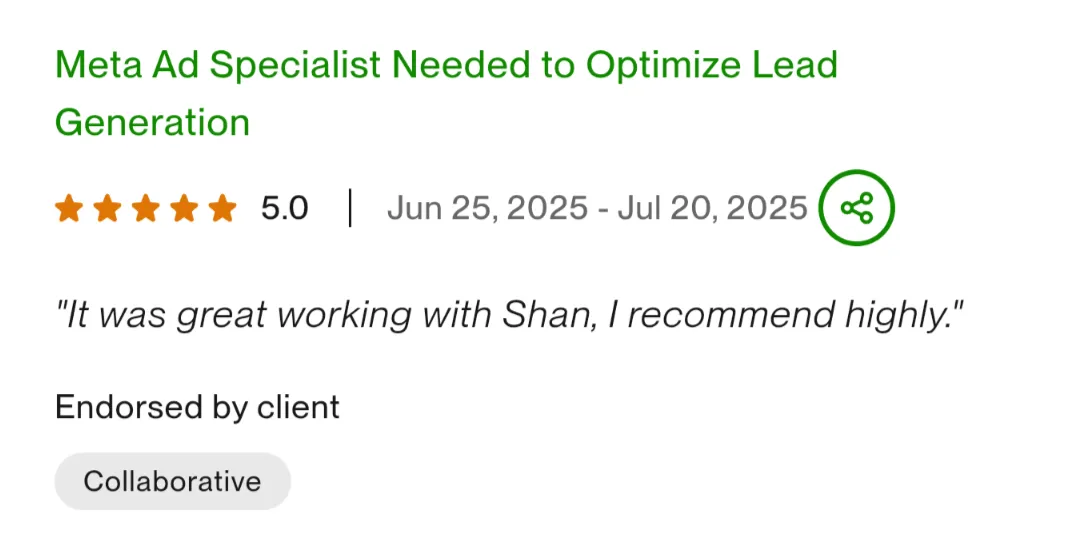
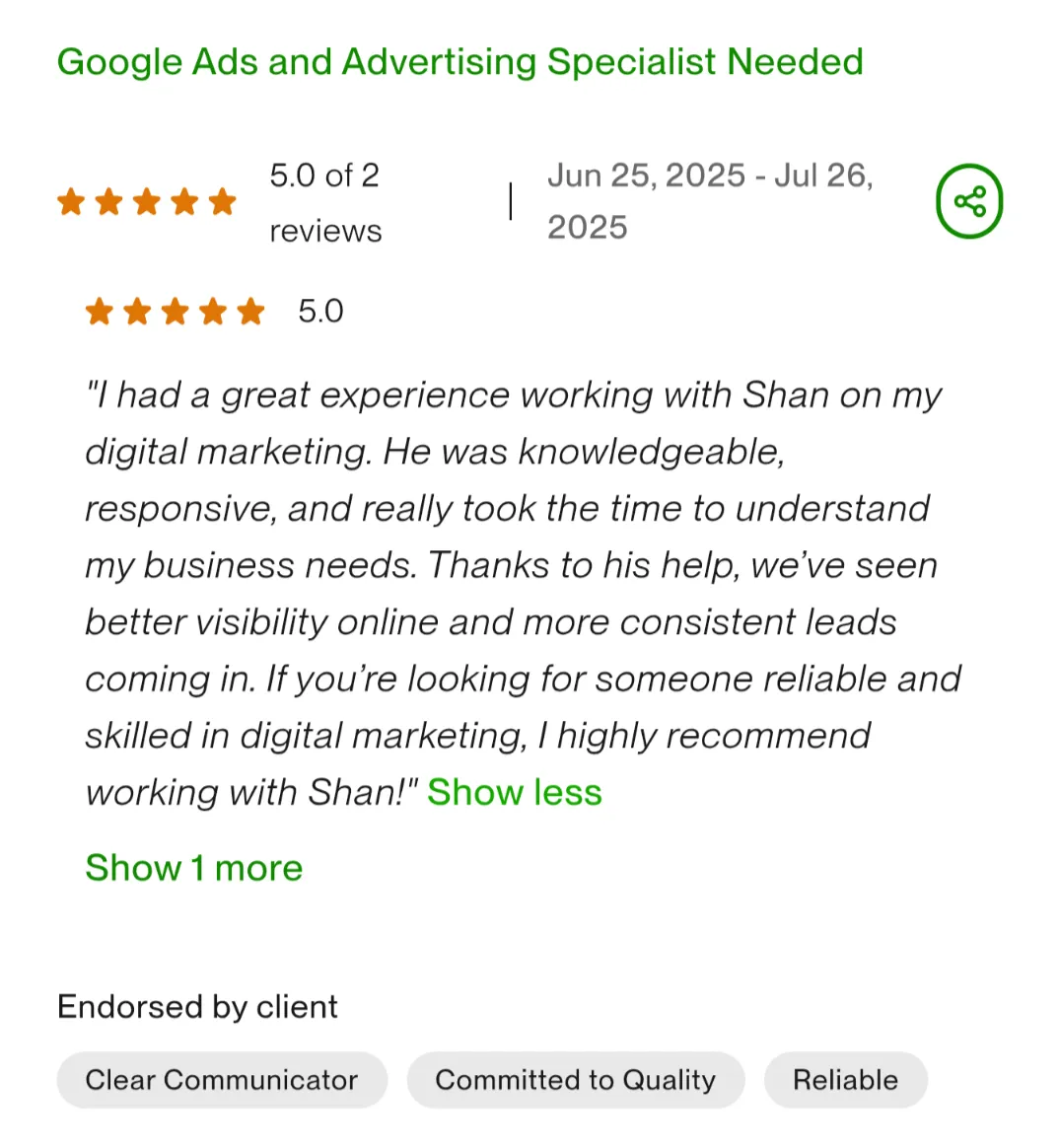
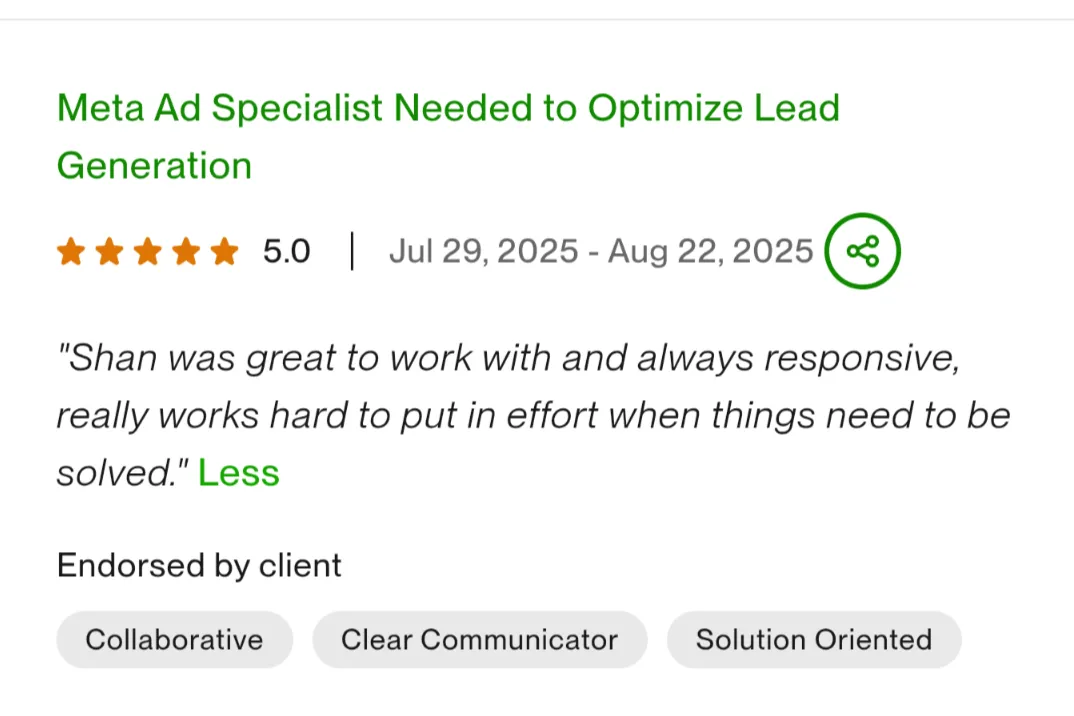
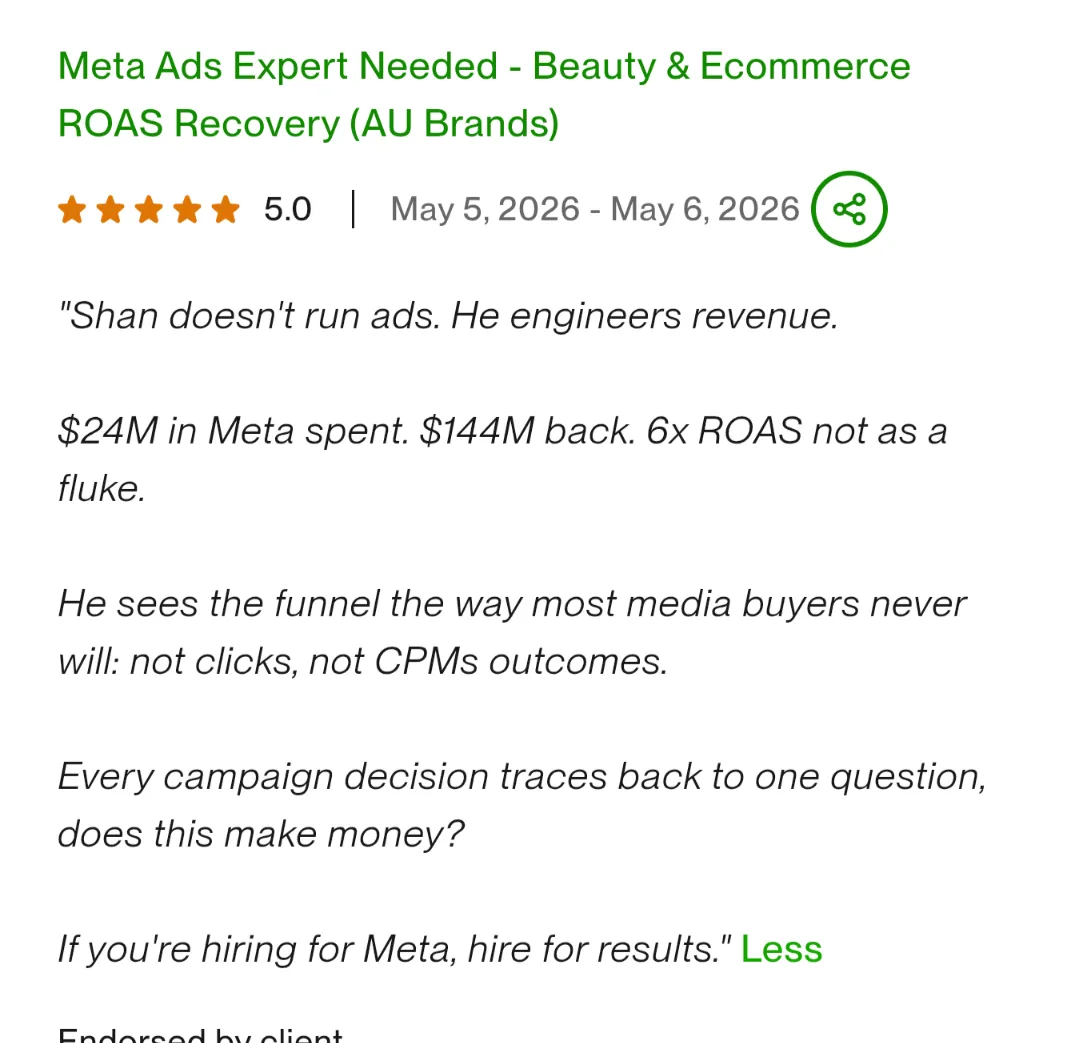
Trusted by founders and marketing teams.
Real 5-star reviews from clients on Upwork.

- The growth letter
Investing in ads but unsure what is driving revenue?
Let’s review your paid media, customer acquisition, and revenue data to identify what to scale, fix, or stop.
- A direct read on where spend is leaking
- Target CAC and ROAS your margins can support
- A prioritised scale / fix / stop list yours to keep
- Replies within 24 hours. No spam, just useful growth insights.
- PERFORMANCE MARKETING FAQ
Questions About Paid Media, Measurement & Revenue
Performance marketing is a data-led approach to paid media where campaigns are measured against business outcomes such as customers, CAC, ROAS, pipeline, and revenue.
The goal is not just to generate clicks. It is to understand how paid media contributes to business growth.
A performance marketing consultant helps businesses plan, manage, measure, and improvepaid acquisition.
This includes channel strategy, campaign structure, audience targeting, creative testing, conversion tracking, attribution, CAC analysis, ROAS analysis, and budget allocation.
My core paid channels are Meta Ads, Google Ads, and LinkedIn Ads.
Meta Ads help create demand and scale customer acquisition.
Google Ads help capture existing search intent.
LinkedIn Ads help reach specific B2B buyers and decision-makers.
The right channel mix depends on the customer journey and revenue goal.
I connect campaign data with conversion tracking, funnel performance, customer acquisition, and available revenue data.
This helps answer three questions:
What should scale?
What needs fixing?
What should stop?
The goal is to move from platform reporting to business-level decision making.
The right metrics depend on the business model, but the main ones usually include:
• Revenue
• CAC
• ROAS
• CPA
• Conversion rate
• AOV
• LTV
• Contribution margin
• Lead quality
• Customer quality
• Pipeline contribution
No single metric should be used in isolation.
CAC means Customer Acquisition Cost.
It measures how much it costs to acquire a new customer.
CAC helps show whether paid media can scale without making customer acquisition too expensive.
ROAS means Return on Ad Spend.
It compares the revenue attributed to advertising with the amount spent on advertising.
ROAS is useful, but it should be viewed alongside CAC, margins, customer quality, and total revenue.
No.
A high ROAS does not always mean the business is maximizing revenue or profit.
For example, reducing spend can improve ROAS while also reducing total revenue.
The real goal is to balance efficiency, scale, customer acquisition, and profitability.
Attribution assigns credit to the marketing touchpoints that contributed to a conversion.
I use attribution as one input alongside platform data, funnel performance, customer economics, and revenue data.
The goal is not to find a perfect attribution model. The goal is to make better budget decisions.
I use a Scale / Fix / Stop framework.
Scale — the economics are strong enough to support more investment.
Fix — the opportunity exists, but something is limiting performance.
Stop — the results do not justify more spend.
Budget follows evidence, not platform recommendations alone.
A paid media audit reviews campaign structure, tracking, funnel performance, spend, CAC,
ROAS, conversion rate, and available revenue data.
The audit should show:
• What is working
• Where budget is being wasted
• Where revenue is leaking
• What should be fixed
• What should be scaled
• What should be stopped
This service is best suited to businesses already investing in paid media and looking to improve customer acquisition, measurement, and revenue efficiency.
It is especially relevant when:
• CAC is rising
• ROAS is falling
• Tracking is unreliable
• Lead quality is weak
• Paid media is difficult to scale
• Marketing cannot be clearly connected to revenue